
Introducing Issue Management
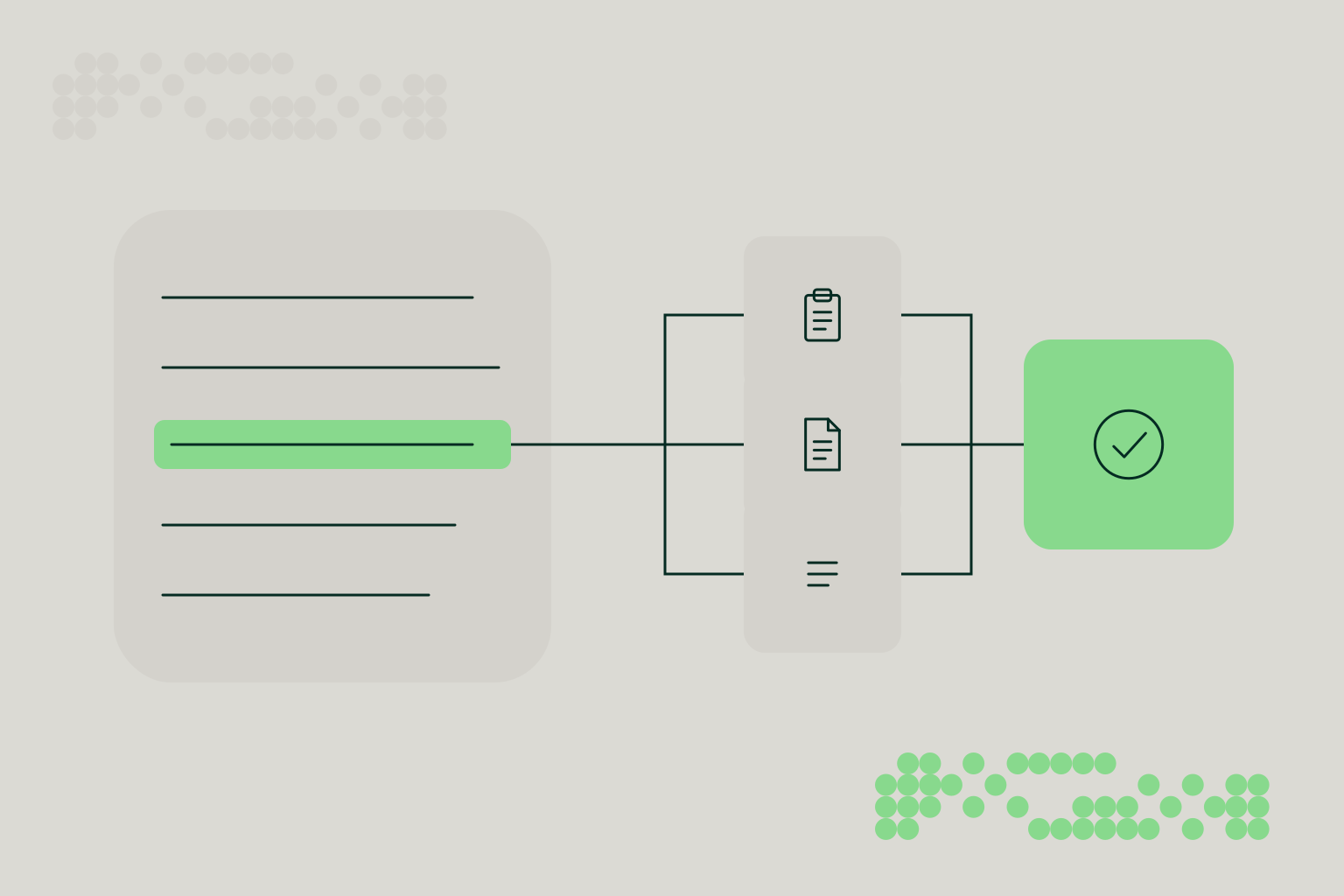
Bead makes control testing lightning fast. But once there’s an exception, closing it off still takes a lot of time.
Issues get scattered across spreadsheets, emails, chats, and trackers. Things get lost, follow-ups stall, and the work is disconnected from the test where the problem was found.
Teams kept asking us to bring that follow-up into the same place as the test. Today we’re launching Issue Management in Bead, so you can take an exception from a failed sample all the way to a verified fix.
Why exceptions lose context after the test
Finding a failed sample is only the first step. Someone has to agree on what went wrong with the control owner, track each corrective action, collect the updated evidence, and re-test the control before the issue can be closed.
When that follow-up moves out of the testing tool, the record splits apart. The action plan goes into a spreadsheet, the system change sits in a ticket, and the re-test file comes back over email weeks later. By the time a reviewer sits down to sign off, they have to reconstruct which sample failed, what changed, and whether the new evidence proves the fix works.
Connected from failed sample to final review
With Issue Management in Bead, an exception converts directly into an issue while keeping its link to the control, sample, and attribute that failed. When another test run surfaces the same failure pattern, Bead’s agents flag the match so you can link the new exception to the open issue instead of starting a duplicate thread.
As the control owner works through remediation, our agents suggest resolutions, check whether the action plan addresses what went wrong, and track each corrective action to completion. Supporting files attach directly to each step rather than sitting in an inbox.
When the fix is ready, the independent reviewer sees the original failed sample, the completed corrective actions, and the re-test results in one record. Once the reviewer verifies the evidence and closes the issue, the whole history stays intact for internal and external audit.
Less time reconstructing the problem. More time to navigate the risk.
Book a demo to see Issue Management on your controls.